New Tonality

Musical tuning is more than simple ratios and tempering. Dive into the psychoacoustical and mathematical world of microtonality.

Latest update

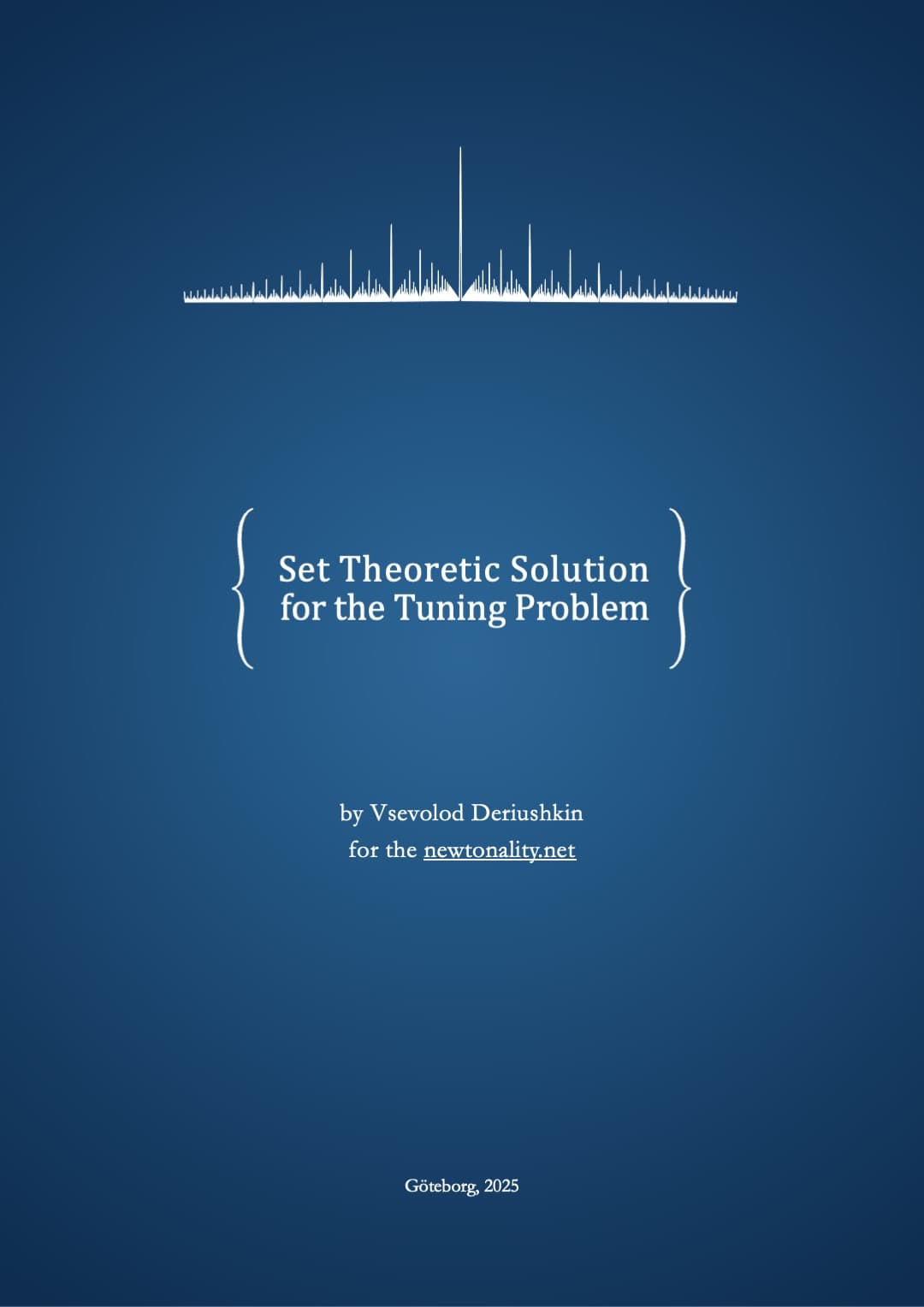
Set theoretic solution
for the tuning problem

There are many theories that attempt to explain consonance and dissonance in music. In this book, I explore the boundaries of today’s most compelling theories and introduce a new approach rooted in mathematical set theory.

Buy HardcoverBuy eBook (PDF)Free download
Microtonal web apps

A collection of browser-based tools that explore microtonality through the lens of modern psycho acoustic research. Investigate the relationship between instrumental timbre, spectral characteristics, and tuning systems.

  • Sensory dissonance analysis

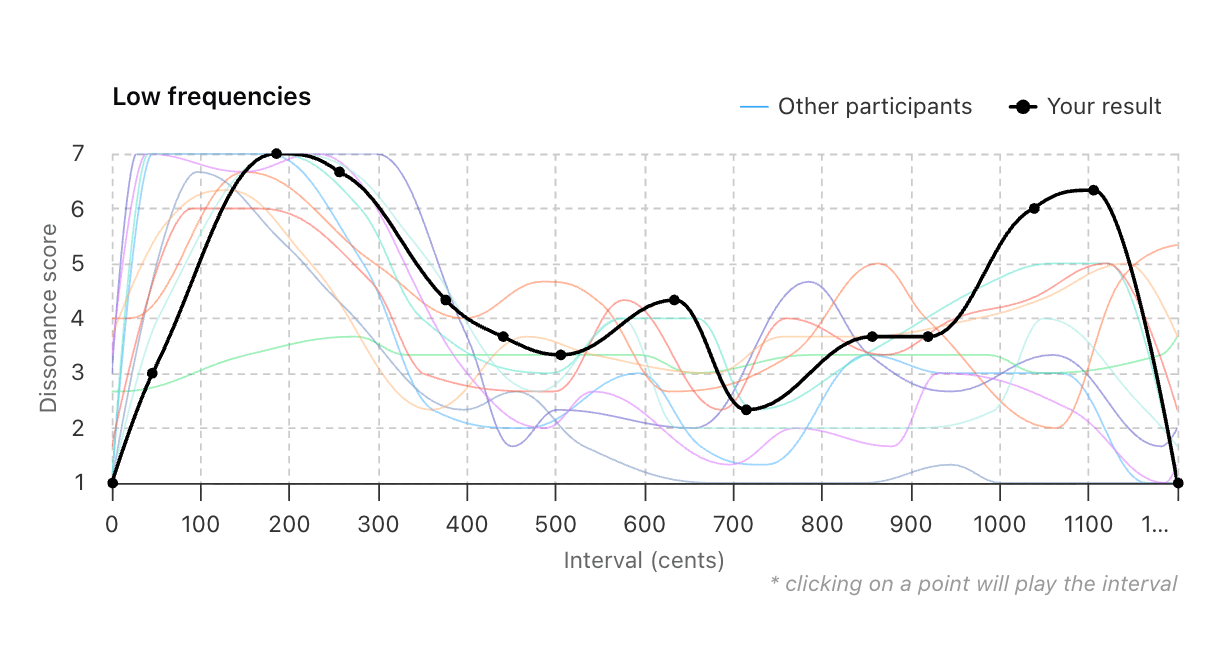
    Take part in an interactive psychoacoustic experiment to measure your personal perception of dissonance and compare your results with others.

    Explore

  • Beating analysis

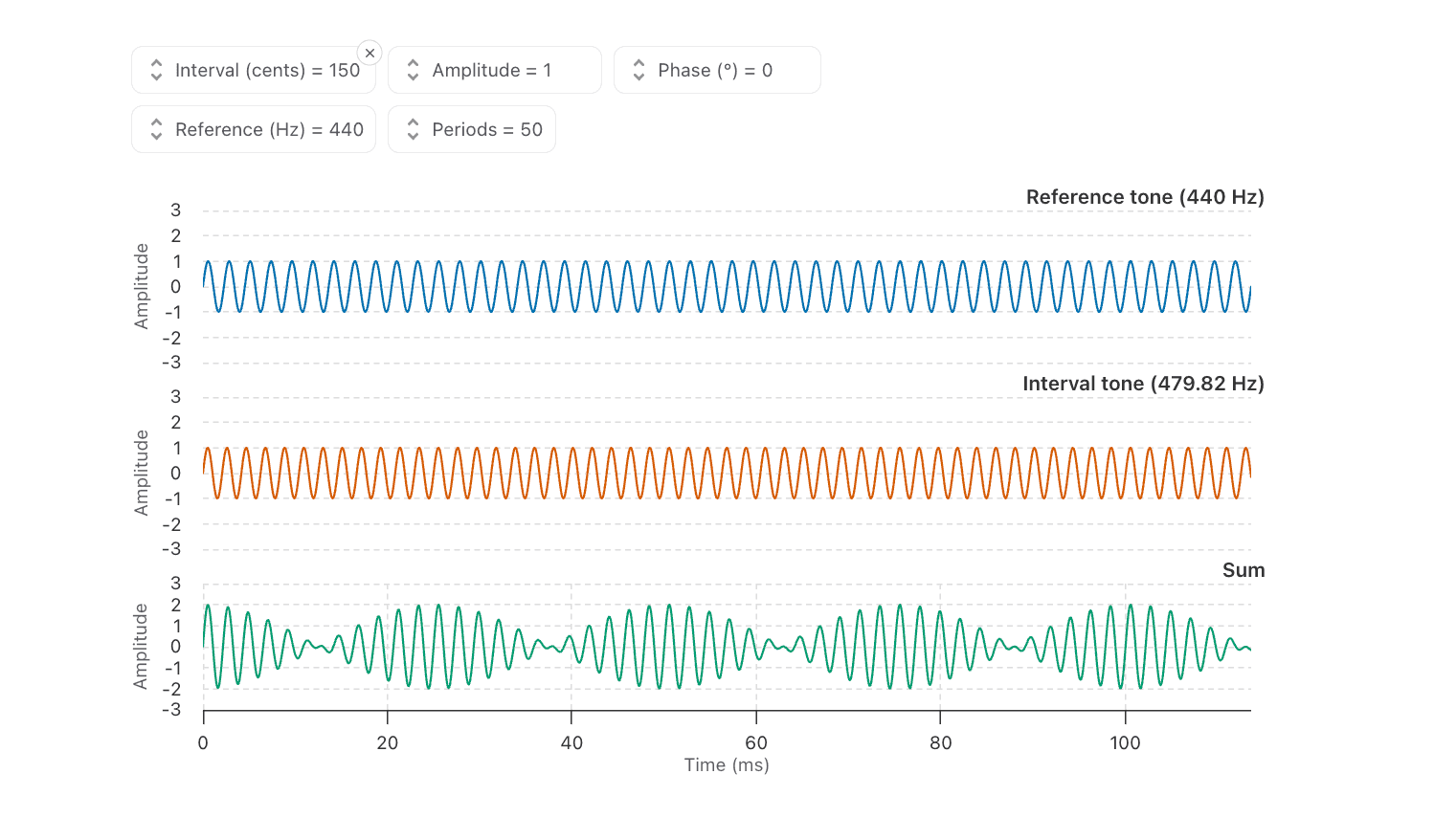
    Visualize how two pure tones interfere and produce beating patterns by adjusting interval, amplitude, phase, and reference frequency.

    Explore

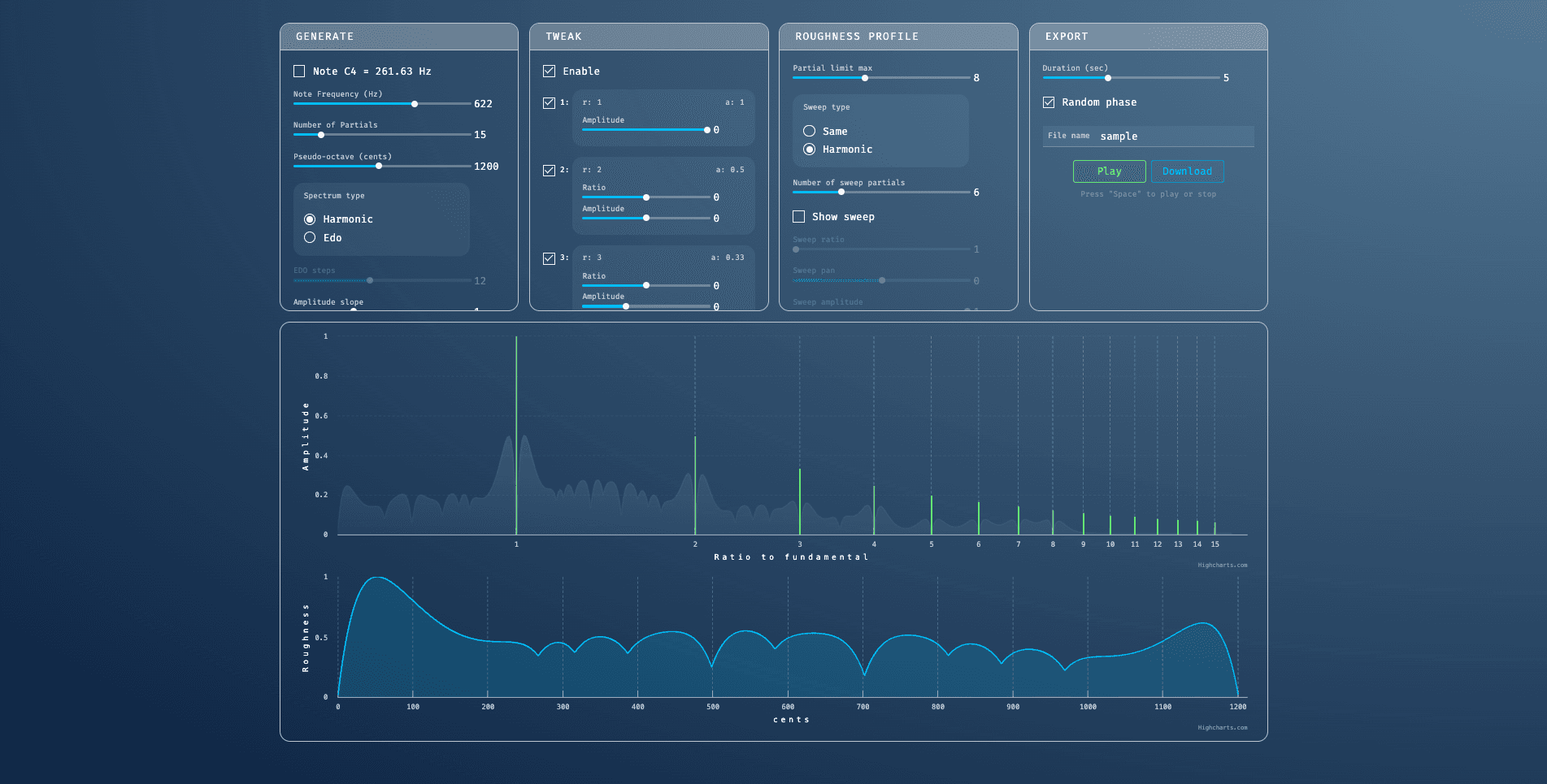
  • Legacy Additive Synth V1

    Generate inharmonic samples and see its dissonance curve that marks related tuning. Geberate sounds that are compatible with arbitrary EDO tuning systems.

    Explore

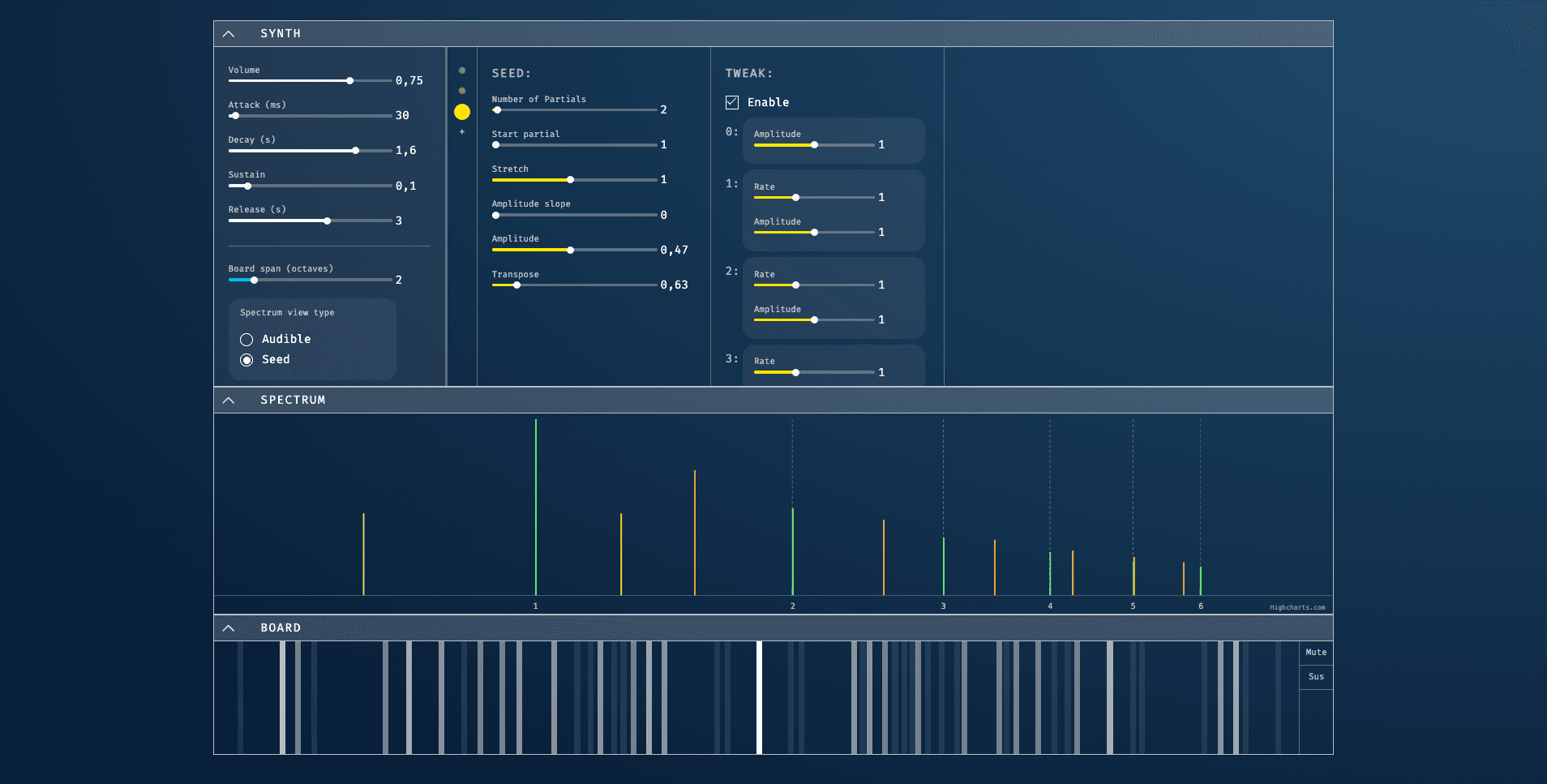
  • Legacy Additive Synth V2

    A different version of additive synth with ability to stack multiple inharmonic layers. Instead of dissonance curve is has aplayable board tuned to the related tuning system.

    Explore

Book

Set-theoretic solution
for the tuning problem

My goal is to make microtonality easy and accessible and to popularize that topic. During my research I found that various tuning systems have pros and cons. In the attempt to simplify the theory of William Sethares I stumbled upon the idea of using set theory to derive tuning. After 2 years of research I wrote this book to lay out how set theory can be used to derive tuning and how it compares to other tuning systems.